
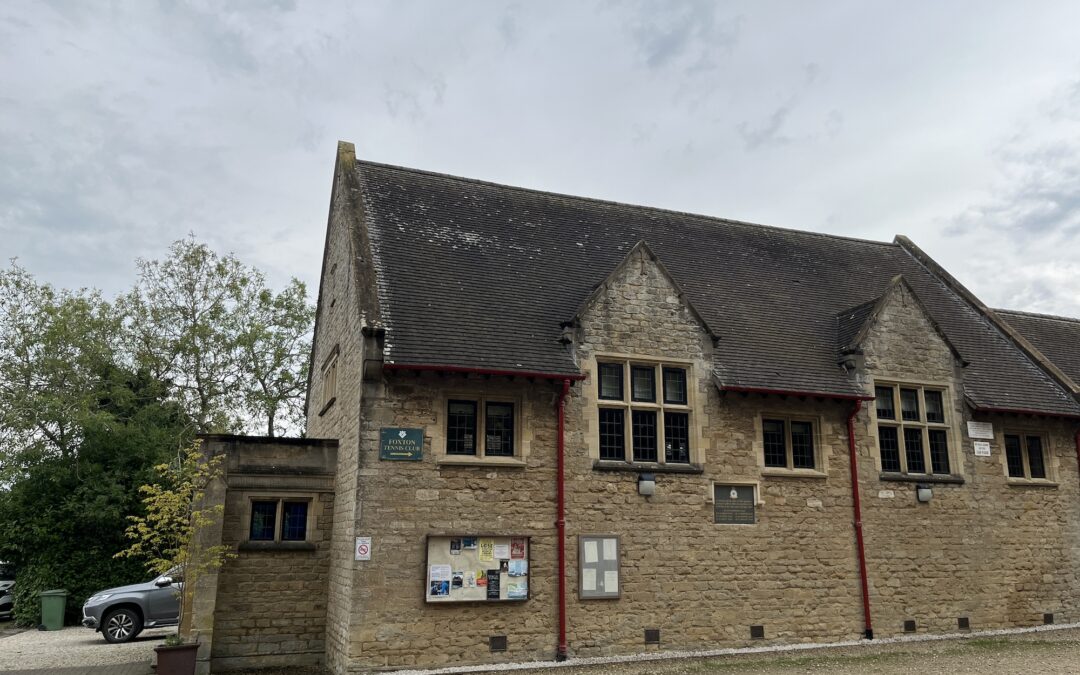
Foxton in 1881: A Glimpse into Occupations and Social Structure
In 1881, the village of Foxton was a thriving rural community characterised by a rich tapestry of occupations and a distinct social structure. The census data from that year provides a fascinating insight into the lives of the villagers, revealing the roles that men and women played in sustaining the local economy and the social hierarchies that shaped daily life.
Female Occupations in 1881
Women in Foxton during 1881 were predominantly engaged in domestic and agricultural work, reflecting the rural nature of the village. Many women worked as domestic servants, a common occupation for females across England at that time. These women were employed in the households of wealthier villagers, performing a variety of tasks such as cleaning, cooking, and laundry.
In addition to domestic service, some women were involved in the textile industry, taking on roles such as seamstresses or dressmakers. These occupations allowed women to contribute to the household income while working from home or in small workshops. Additionally, women often participated in agricultural labor, particularly during busy seasons like harvest time. Their contributions were essential to the smooth running of both the household and the local economy.
Unmarried women and widows frequently found work as laundresses or charwomen, performing cleaning and washing tasks for several households. These occupations, though demanding, provided a measure of independence for women in a society where employment opportunities for females were limited.
Male Occupations in 1881
The male population of Foxton in 1881 was primarily engaged in agriculture, which was the backbone of the local economy. Many men worked as agricultural labourers, plowing fields, sowing seeds, tending to livestock, and harvesting crops. These labourers were the lifeblood of the village, ensuring that Foxton’s agricultural output remained strong and consistent.
In addition to agricultural work, some men held skilled trades. Blacksmiths, carpenters, and wheelwrights were vital to the village’s infrastructure, providing essential services such as tool making, building maintenance, and the repair of carts and other equipment used in farming. These skilled tradesmen were highly respected in the community for their expertise and the indispensable nature of their work.
Other common male occupations included shoemakers, bricklayers, and tailors, each contributing to the diverse economic activities within the village. Some men were employed in more specialised roles, such as millers or butchers, reflecting the local demand for processed foodstuffs and goods.
Male Social Structure in 1881
The social structure of Foxton in 1881 was closely tied to the occupations held by its male residents. At the top of the social hierarchy were the landowners and farmers who owned or leased large tracts of land. These individuals wielded significant influence within the village, not only because of their economic power but also due to their roles as employers of the majority of the village’s workforce.
Below the landowners and farmers were the skilled tradesmen, such as blacksmiths and carpenters. These men occupied a middle position in the social structure, respected for their skills and often enjoying a stable income that afforded them a reasonable standard of living.
At the lower end of the social spectrum were the agricultural labourers and unskilled workers. These men, although essential to the village’s economy, often faced precarious employment conditions, with their livelihoods heavily dependent on the seasonal nature of agricultural work. Despite their hard work, many struggled to make ends meet and had little social mobility.
The social structure in Foxton in 1881 was thus a reflection of the economic activities that sustained the village. While some men enjoyed a measure of prosperity and stability, others lived a more challenging existence, dependent on the changing fortunes of the agricultural sector.
Conclusion
The 1881 census data paints a vivid picture of life in Foxton (Leicestershire), with clear distinctions between the roles of men and women, as well as between different social classes. Women were largely confined to domestic and low-paying occupations, while men’s work was more varied, though heavily centreed on agriculture. The social structure was closely linked to occupation, with landowners and skilled tradesmen at the top and agricultural labourers at the bottom. This snapshot of Foxton’s past offers a valuable understanding of the village’s historical fabric, reflecting both the hardships and the community spirit that have shaped its evolution over time.
…

Occupations Foxton ladies 1881
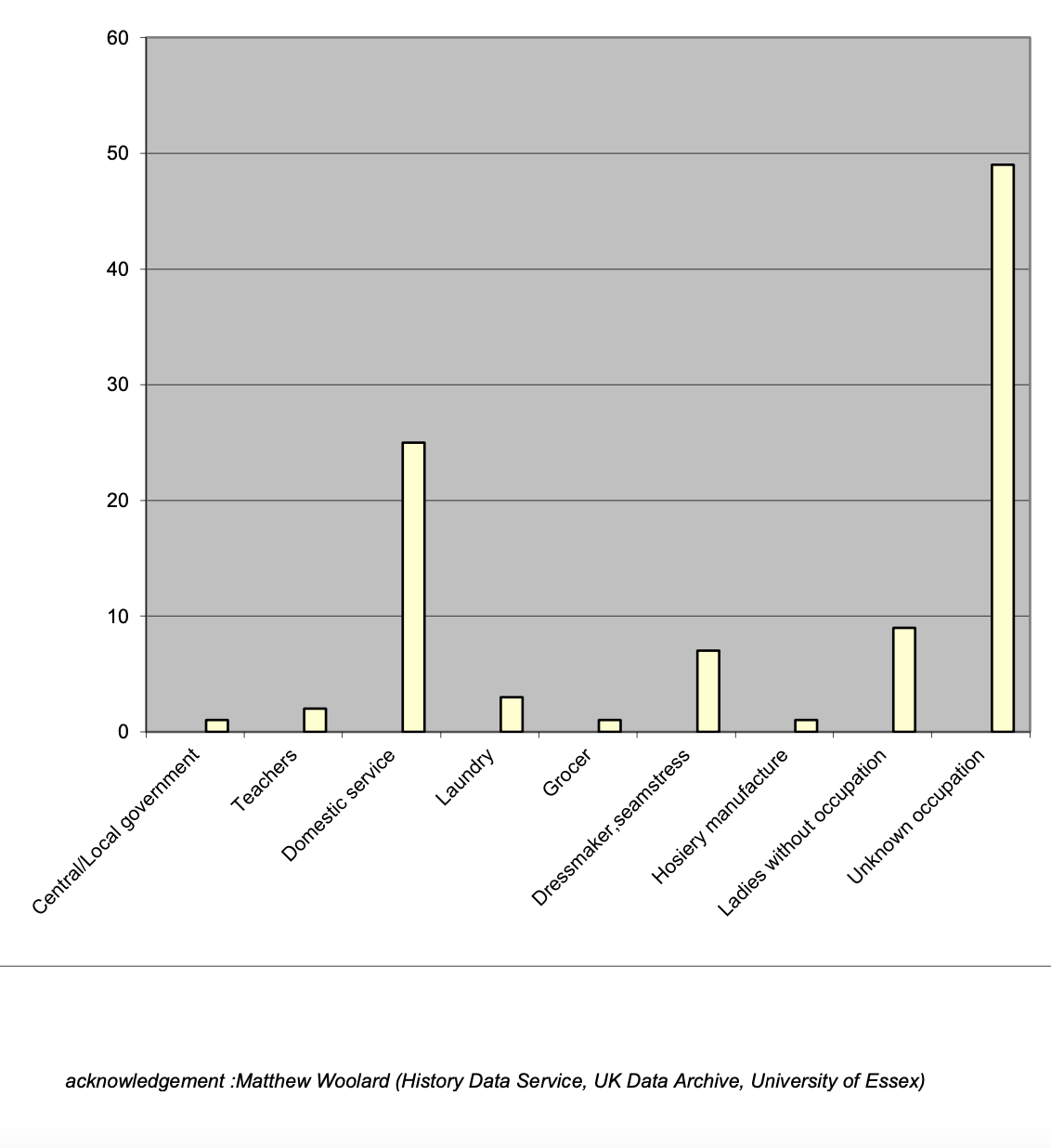
Occupation Foxton ladies history (Table) 1881
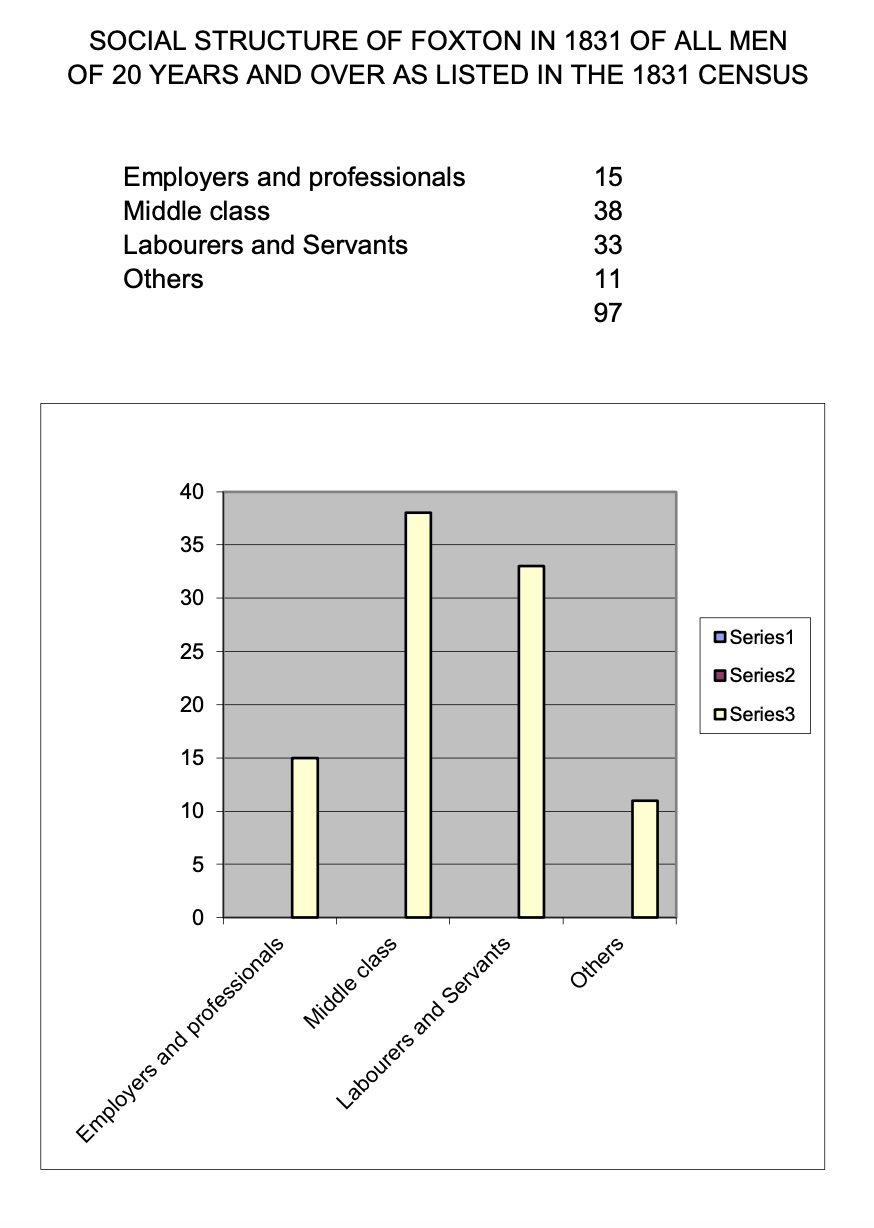
Social structure male Foxton 1881

Occupations Foxton males history 1881

Occupations male history (table) Foxton 1881